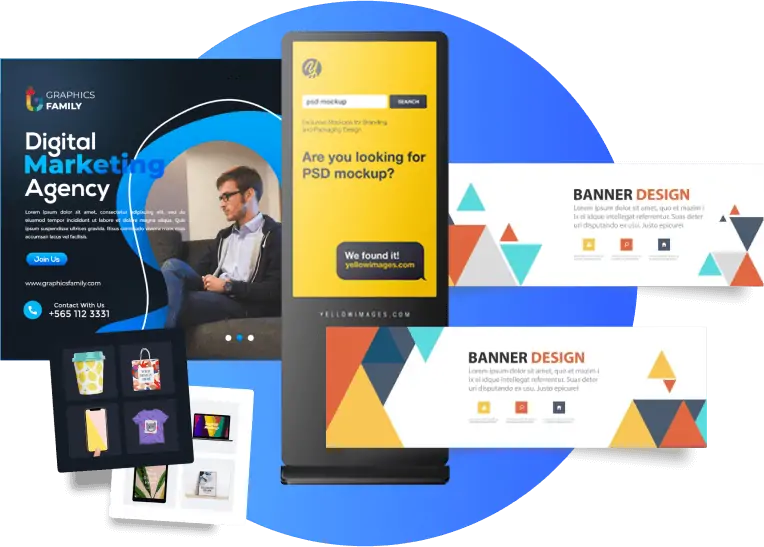

Design is not just about aesthetics rather it’s about creating experiences that resonate with the viewers and drive meaningful interactions. In the marketing domain, various design formats serve distinct purposes which are tailored to convey specific messages and evoke desired responses. For this reason, design plays a very important role in shaping how businesses communicate with their brand identity and engage with their target market.
From the sleek layout of a website to the captivating visuals of a digital ad, every design element influences the viewer’s perception and decision-making process. The various design formats include website design, brochure design, catalog design, business card design, digital ad design, etc. Each one of these formats has its own significance and contribution to an effective marketing strategy. By understanding the nuances of each design format and combining best practices, businesses can create effective visual identities that resonate with their target audience. In an increasingly competitive market, investing in thoughtful and strategic design can make all the difference in capturing attention, building customer loyalty and ultimately achieving marketing success.
A website is often the first point of contact between a business and its potential customers, therefore it’s important that a website design should be intuitive, visually appealing and functional. Key points to cover while designing a website are:
It is important to have a responsive design for mobile compatibility.
User experience (UX) principles and their impact on conversion rates should be followed.
Incorporating branding elements in the design and maintaining consistency throughout the website is important.
It is advisable to look at examples of effective website designs across different industries to know the current design and functionality trends in a particular industry.
A huge part of web design is about making a website look good. Aesthetics, however, is hardly the only concern of a web designer. There are several other things they must consider when designing a website.

People create websites for their target audience. Whoever they are, they must find the websites they're accessing to be fast, easy to use and navigate, and effective at communicating its message.

It's great to be wholly original, but there's nothing wrong with drawing inspiration from other existing websites. Whether they're your commpetition of in other industries, other superbly designed sites can Inform your approach to cresting the best website you can offer.

In a world where the mobile user population is growing astronomically, and Google's Mobile-frut Incler cxlsts, mobile-fendliness should be a priority for web designers and their clients alike.

One of the most effective ways to promote your visibility to the public is that you use SEO tools and constantly update your posts and blogs. This is evident with popular brand nowadays.

Security is a primary concem, especially if you're designing an eCommerce website. Your customers should feel safe and secure with the financial transactions they make. Take steps like getting an SSL certificate from a certificate authority to keep Information secure.

If you care about ranking well in search results, then your website must be SEO-friendly, too. Some steps you can take to ensure 560-friendliness include making it viewable on all browsers, optimizing images, and integrating social media into your web desige.
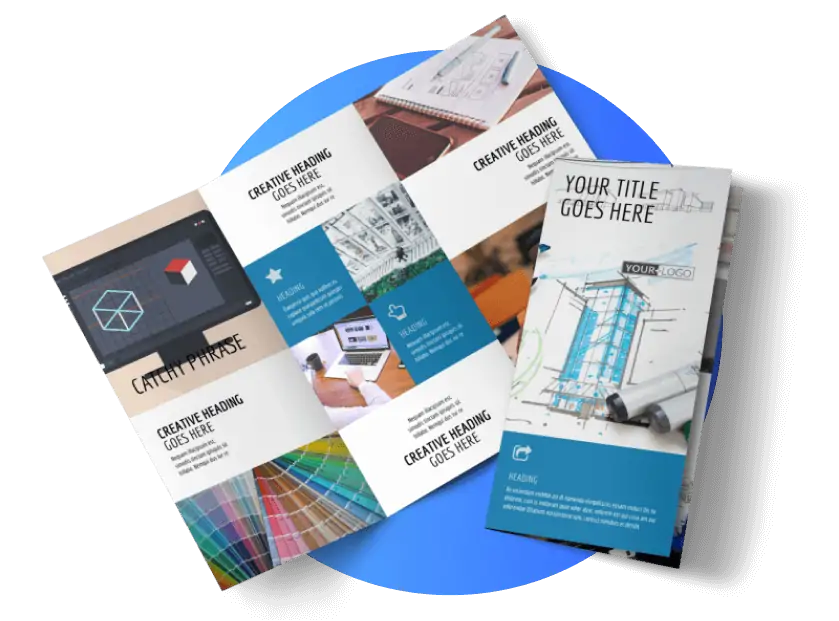
Despite the digital shift in recent times, brochures remain powerful tools for offline marketing. They provide substantial information about the brand and the company and a well-designed brochure leaves a lasting impression on the reader. Key points to keep in mind while designing a brochure are:
Catalogues are essential for businesses to showcase their full range of products or services. The design of a catalogue must be organized, visually appealing and easy to navigate. Key points to cover in the designing of a catalog are:
Business cards are more than just contact information as they are mini representations of a brand’s identity. Key points to remember while designing business cards are:
Digital ads are everywhere in today’s online landscape and an effective design of a digital ad can significantly impact click-through rates and conversions. Key points to keep in mind while designing a digital ad are:
Design is a powerful tool that businesses can use to enhance their marketing efforts across various platforms by either using a captivating website, informative brochure, detailed catalogue, memorable business card, or an engaging digital ad. Each of these design formats can play a crucial role in communicating brand values, attracting customers and driving business growth.

Don’t put the cart before the horse. Define your content before you decide how the website should look.

Consider the needs and expectations of your ideal visitor and appeal to those users on a more intuitive level.

Use the most relevant and user-friendly media available to convey information.

A clear structure, visual clues and easily recognizable links help users to find the path to their end.

Whitespace reduces cognitive overload and makes it easier to digest the Information presented on screen.

Let users explore your site and discover your services without forting them into sharing private data.

Users rarely visit a site just to enjoy the design they are looking for information.

Standard design conventions reduce the need for your users to figure out how your site works.

Keep the layout and branding consistent between the pages of your website.