




The global eCommerce industry is no longer just growing — it is evolving at speed. From startups launching D2C brands to enterprises expanding globally, eCommerce has become one of the most competitive and data-driven business models in the world.
However, success in eCommerce is not driven by having a website alone. It is driven by strategy, technology, marketing intelligence, and continuous optimization.
In this comprehensive guide, we explore how eCommerce businesses can build sustainable growth through smart marketing strategies, with insights relevant to Dubai, the GCC, and global markets.
Understanding the Modern eCommerce Landscape
eCommerce today is shaped by three major forces:
- Customer expectations are higher than ever
- Competition is global, not local
- Marketing costs are rising across platforms
Consumers expect:
- Fast-loading websites
- Seamless mobile experiences
- Personalized communication
- Trust, security, and social proof
At the same time, brands are competing not only with local players but with global marketplaces, social commerce platforms, and direct-to-consumer brands.
This is where a strong eCommerce marketing strategy becomes non-negotiable.
The Foundation: Building a High-Performance eCommerce Platform
Before marketing begins, the foundation must be solid.
A high-performing eCommerce business starts with:
- Website & App Experience
Your website or mobile app is your primary sales engine.
Key elements include:
- Mobile-first design
- Fast load speed (under 3 seconds)
- Clear navigation and product discovery
- Optimized checkout experience
- Secure payment gateways
- Multi-currency and multi-language support (especially for Dubai/global brands)
A poorly designed platform increases bounce rates and wastes marketing spend.
- Conversion Optimization (CRO)
Traffic without conversion is meaningless.
Effective eCommerce platforms use:
- Clear CTAs
- Trust badges
- Reviews and testimonials
- High-quality product images and videos
- Simplified checkout processes
- Abandoned cart recovery systems
Conversion rate optimization can increase revenue without increasing ad spend.
eCommerce Marketing Strategy: The Core Pillars
Successful eCommerce marketing is multi-channel, data-driven, and customer-centric.
Pillar 1: Search Engine Optimization (SEO)
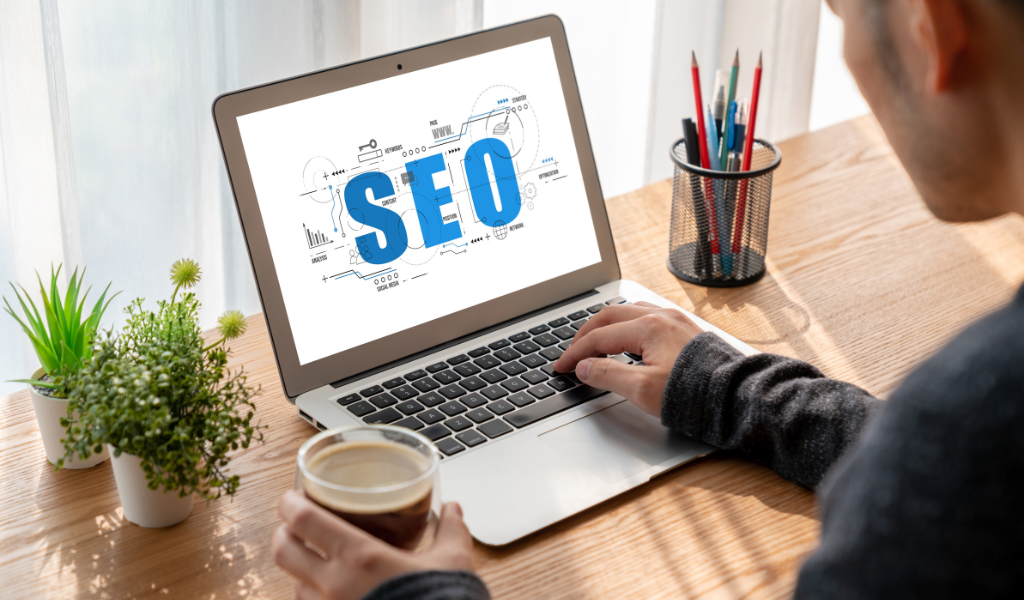
SEO is one of the highest ROI channels for eCommerce when executed correctly.
Why SEO Matters for eCommerce
- Long-term traffic growth
- Lower customer acquisition cost
- Higher purchase intent
- Strong brand visibility
Key SEO components for eCommerce:
- Product page optimization
- Category page SEO
- Technical SEO (site speed, schema, indexing)
- Content marketing (blogs, buying guides)
- Local SEO (especially for Dubai-based brands)
For competitive markets like Dubai, SEO is not optional — it is strategic.
Pillar 2: Paid Advertising (Google & Meta Ads)
Paid media is often the fastest way to scale an eCommerce business.
Google Ads
- Search Ads (high-intent buyers)
- Shopping Ads (product visibility)
- Display & Remarketing
Meta Ads (Facebook & Instagram)
- Product discovery
- Retargeting website visitors
- Lookalike audiences
- Catalog ads
The key is performance marketing, not just advertising.
Winning brands focus on:
- ROAS optimization
- Funnel-based campaigns
- Creative testing
- Data-driven scaling
Pillar 3: Social Media Marketing & Community Building
Social media is no longer just awareness — it is a sales and trust channel.
Effective eCommerce social strategies include:
- Content calendars aligned with campaigns
- Product storytelling
- Influencer collaborations
- User-generated content (UGC)
- Community engagement
- Platform-specific strategies (Instagram, TikTok, LinkedIn)
Social proof significantly impacts buying decisions, especially in lifestyle and retail categories.
Pillar 4: Content Marketing & Brand Authority
Content builds trust, education, and long-term visibility.
For eCommerce brands, content can include:
- Buying guides
- Product comparisons
- How-to articles
- Industry insights
- Video content
- FAQs and knowledge hubs
This content supports:
- SEO rankings
- Email marketing
- Retargeting campaigns
- Customer confidence
Strong content turns brands into category leaders.
Pillar 5: Email & Lifecycle Marketing
Email remains one of the highest ROI channels in eCommerce.
Key email flows include:
- Welcome sequences
- Abandoned cart emails
- Post-purchase follow-ups
- Upsell and cross-sell campaigns
- Loyalty and retention campaigns
Lifecycle marketing increases customer lifetime value, not just first-time purchases.
eCommerce Strategy in Dubai: What Makes It Unique?
Dubai and the GCC market have distinct characteristics:
- High mobile usage
- Strong purchasing power
- Multinational audience
- Preference for premium experiences
- Heavy reliance on trust and brand reputation
Successful eCommerce brands in Dubai focus on:
- Localized messaging
- Arabic + English content
- Fast delivery logistics
- COD and multiple payment options
- Strong customer support
A global strategy must always be localized for the region.
Scaling Globally: From Local Brand to International Business
To scale globally, eCommerce brands need:
- International SEO strategy
- Multi-region paid ad campaigns
- Localized creatives
- Global logistics planning
- Cross-border payment optimization
Marketing strategies must evolve as brands move from:
Launch → Growth → Scale → Market Leadership
The Role of Data & Analytics in eCommerce Growth
Modern eCommerce marketing is driven by data, not assumptions.
Key metrics include:
- CAC (Customer Acquisition Cost)
- ROAS (Return on Ad Spend)
- Conversion Rate
- AOV (Average Order Value)
- LTV (Lifetime Value)
Brands that win continuously optimize based on:
- Funnel performance
- User behavior
- Campaign data
- Attribution insights
Common Mistakes eCommerce Businesses Make
- Relying only on ads without SEO
- Ignoring mobile optimization
- No clear funnel strategy
- Poor product positioning
- Weak post-purchase engagement
- Not investing in brand trust
Avoiding these mistakes can save thousands in wasted spend.
The Future of eCommerce Marketing
Key trends shaping the future:
- AI-driven personalization
- Voice search optimization
- Video-first commerce
- Social commerce
- Sustainable branding
- Performance-based creative testing
Brands that adapt early gain a competitive advantage.
How SparkLeap Helps eCommerce Brands Grow & Scale
At SparkLeap, we partner with eCommerce brands to:
- Build high-performance websites and apps
- Design scalable marketing strategies
- Drive traffic through SEO and paid media
- Increase conversions and customer retention
- Expand into Dubai, GCC, and global markets
Our approach is strategy-led, performance-driven, and built for scale.
FAQs
What is the best marketing strategy for eCommerce businesses?
A combination of SEO, paid ads, social media, content marketing, and lifecycle campaigns delivers the best long-term results.
How important is SEO for eCommerce?
SEO is critical for sustainable growth, reducing ad dependency, and capturing high-intent buyers.
Which platform is best for eCommerce marketing?
There is no single platform. A multi-channel strategy across Google, Meta, SEO, and email performs best.
Is eCommerce marketing expensive?
Costs depend on competition, strategy, and execution. Well-optimized campaigns deliver strong ROI.
Can eCommerce brands scale globally from Dubai?
Yes. With the right technology, localization, and marketing strategy, Dubai-based brands can scale globally.
Final Thoughts
eCommerce success is not accidental. It is built through strategy, execution, and continuous optimization.
Brands that invest in:
- Strong platforms
- Smart marketing
- Data-driven decisions
- Customer experience
…don’t just compete — they lead.